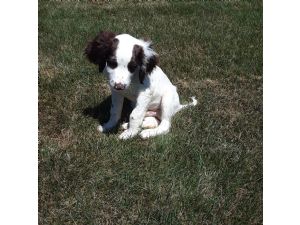
Warm and hot weather safety for their dogs is something that all owners should know and understand as it could save their pets life. Regardless of where you live, summertime brings warmer temperatures, longer daylight hours and the need to understand and practice heatstroke safety for your dog. It is your responsibility as a dog owner to protect your pet and make sure that it does not get overheated or suffer any negative effects or even worse, death from the summer heat. Unlike dogs, humans have sweat glands to cool them off in hot weather when they get too warm. They wear shoes to protect their feet from hot concrete and asphalt, are able to go somewhere cool if they get too hot and have access to plenty of fluids. Dogs cooling systems are in their tongue, paw pads, and nose. Panting is the primary way dogs regulate their body temperature but if unable to cool down effectively on humid, hot days, their body temperature quickly rises. When a dog is unable to maintain its normal body temperature of approximately 101F and it reaches to 105F or more, the dog can collapse or die from heatstroke within minutes.
When your dogs body cannot dissipate heat as quickly as his or her body gains it, the result is heatstroke. A high body temperature causes a chemical reaction, which starts to break down body cells. Your dogs' blood starts thickening and dehydration occurs, resulting in extreme heart strain inducing blood clotting and tissue death. Usually the first organs affected are the brain, liver, and intestinal cells. About 101F to 102F is a dogs normal body temperature and if it reaches above 105F, your dog is in immediate danger of vital organ failure, brain damage or death if not treated immediately. It is imperative to reduce the dogs' body temperature as quickly as possible. Even if the dog survives, he could still have ongoing health problems or suffer irreversible, permanent internal damage. The symptoms of heatstroke include vomiting; frantic, rapid, excessive panting; staggering and disorientation; increased heart rate and breathing difficulties; wide eyes; diarrhea; bright red tongue and pale gums; thick saliva; and coma.
Dogs overheat more quickly so there is more chance for them to suffer heatstroke than humans do. Heatstroke is preventable by using common sense, knowing how to prevent it and how to treat it if heatstroke should occur. Here are ways to prevent your dog from heatstroke.
Even when it is not very hot or humid outside, NEVER leave your treasured companion alone in a parked car. Every year thousands of dogs suffer permanent damage or die from heatstroke because of this. Parking in a shady area or leaving the windows partway or all the way down does not necessarily prevent the vehicles inside from heating up. Within minutes, the temperature inside the car can reach well over one hundred degrees or forty degrees higher than the temperature outside, especially if it is sunny, humid, or no breeze. If it is an emergency and you must leave your dog unattended for a few minutes in the car, always leave the air conditioner running.
If you have a pool, supervise your dog in the pool area at all times and train him so he knows how to get in and out it or keep it completely fenced off.
Keep your dog in during the middle or hottest part of the day. Take your pet for walks either very early in the morning or later in the evening when it is cooler. In a tropical or highly humid climate, only exercise your dog when the heat index and humidity are low. Avoid walking your dog on cement or asphalt because it becomes very hot. Walk you dog on grass or dirt in shaded areas to avoid him burning his feet.
Always have plenty of clean, fresh water in a large non-tip bowl available for your dog both inside and outside. Keep the water outside in a shady area and preferable in a heavy plastic bowl as metal can get hot. Secure it so your dog cannot overturn the bowl. When outside, make sure there is always shade available for your pet. In hot weather, a wading pool for your dog is an excellent idea.
Never tie your dog outside when it is humid or hot as he could become tangled and unable to reach his water or end up out of the shade and in direct sunlight.
Treating your dog's heatstroke immediately is a matter of life and death. Very often heatstroke occurs because your pet is confined to a crate, car, or kennel. Immediately remove your pet from the confined area and into a shady area. Give him water, limiting the amount he drinks at one time. Use tepid, cool water to cool him down. You can gently hose him down, immerse him in water, or apply cool towels. Never use very cold water or leave wet towels on your pet. Move your dog in front of a fan or to an air-conditioned room where cool air is circulating, so the dog's body temperature drops. If you call an emergency clinic, they may suggest additional treatment. Once you reduce your dog's temperature, take him to your veterinarian for a thorough examination because there is a chance of permanent internal organ damage.
Some dogs are more at risk or prone to heatstroke than others. Thick coated or dark coated dogs such as Dobermans, Chow Chows, and Black Labs are more at risk because dark coats absorb heat while white or light colored coats reflect heat better. Breeds of dogs with short broad heads or short faces such as Boxers, Mastiffs, Pekingese, and Pugs have shorter airways so run a higher chance of overheating, as they cannot cool down as effectively as many other dog breeds. Other reasons that some dogs are more susceptible to heatstroke include:
Overweight dogs
Dogs with respiratory diseases, other illnesses or fever
Older dogs and puppies
Poor circulation or heart disease
Dogs that suffered heat stroke before
Dehydrated dogs
Dogs taking diuretics or certain other medications
Dogs overexerted
Care for and protect your dog and the rewards you receive back are priceless.
Other articles under "First Aid for Dogs"
Puppies for Sale: Golden Doodles Puppies for sale in Queens NY
Beautiful AKC Puppies For Sale
SHADE SILVER PERSIAN.
TerrificPets.com helps you find puppies for sale from great dog breeders! Please support our breeders when looking for puppies for sale.




 |
|